

What is Attachment?
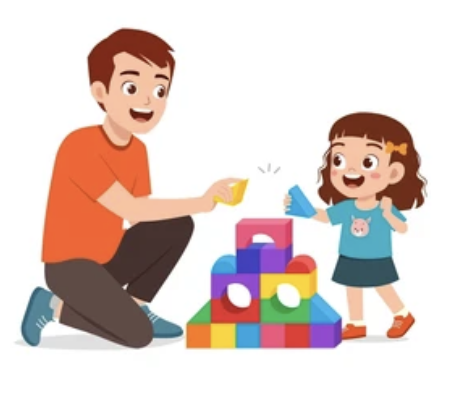
Attachment is the emotional bond between a child and their primary caregiver. According to psychologist John Bowlby, this bond begins in early childhood and influences emotional, social, and psychological development. Children who receive consistent love, care, and support are more likely to develop secure attachment, helping them feel confident and emotionally secure. In contrast, inconsistent or emotionally distant caregiving may lead to anxious, avoidant, or disorganized attachment, which can affect trust, emotional expression, and future relationships.
Why Do Parenting Styles Matter?
Psychologist Diana Baumrind identified four parenting styles: authoritative, authoritarian, permissive, and neglectful. Understanding the Four Parenting Styles
- Authoritative: Warm and supportive while setting clear boundaries. This balanced approach encourages independence and healthy communication.
- Authoritarian: Strict and controlling, with rules that are expected to be followed without explanation.
- Permissive: Loving and accepting but with very few rules, making it harder for children to develop self-discipline.
- Neglectful: Provides little emotional support or guidance, which may affect a child’s confidence and emotional well-being.
The Importance of Communication
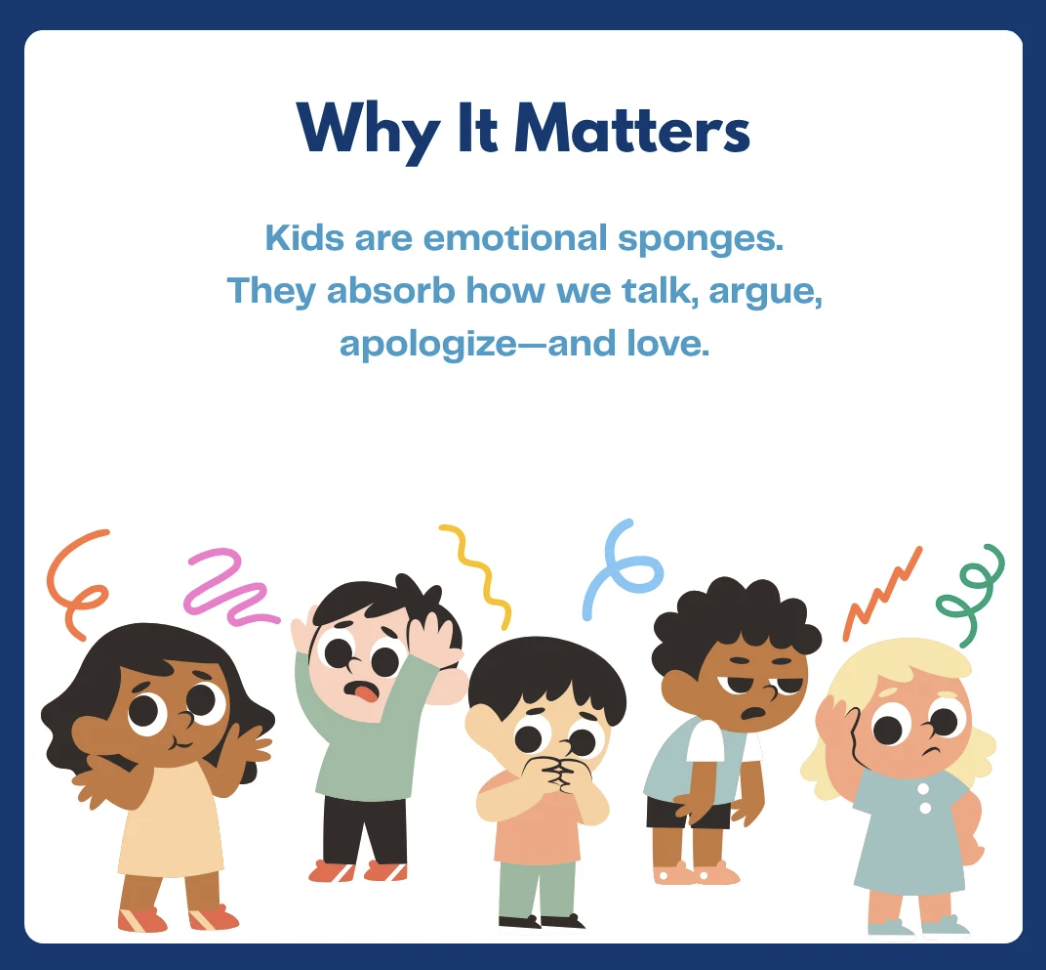
Healthy communication helps children feel heard, understood, and valued. Asking open-ended questions instead of simple yes-or-no questions encourages children to express their thoughts and emotions more freely.
Real-Life Example:
Imagine your child comes home looking upset after school.
Instead of asking, “Did something happen?”, try saying, “You seem a little upset today. Would you like to tell me what happened?” This gives children the opportunity to share their feelings without feeling judged and reassures them that they have someone who is willing to listen.
Tips for Parents
- Ask open-ended questions to encourage meaningful conversations.
- Listen patiently without interrupting or judging.
- Validate your child’s feelings by acknowledging their emotions.
- Stay calm during difficult conversations.
- Spend a few minutes each day talking without distractions.
Final Thoughts
Parenting is not about being perfect—it is about being present. Small actions like listening patiently, offering reassurance, and communicating openly can make a lasting difference in a child’s emotional development. As a psychology student, I believe understanding attachment, parenting styles, and effective communication reminds us that healthy relationships begin with empathy, patience, and trust. When children feel heard, valued, and supported, they are more likely to grow into confident, resilient, and compassionate adults.
Blog by: SIMRAN KAUR